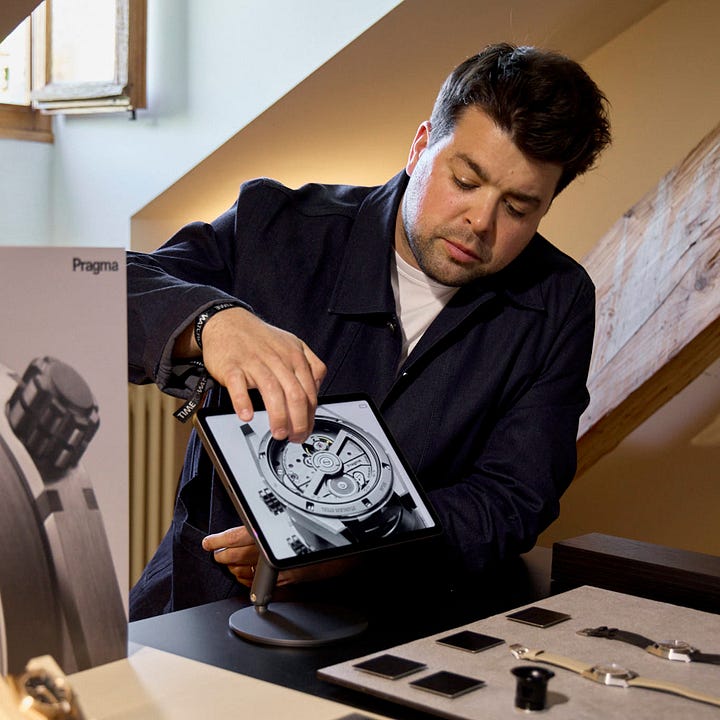
Pragma
Independent Swiss Watchmaking
Founded by a watchmaker who passed through Rolex, F.P. Journe, Laurent Ferrier, and the early days of Akrivia, Pragma is a contemporary Swiss independent maison built on three founding principles: transparency, traceability, and meaningful innovation. Their debut piece, the P1 Perseverance, is crafted from Swiss-made solar steel and driven by an in-house movement that conceals years of development beneath a quietly confident exterior.
Your career has taken you from Rolex to F.P. Journe and Laurent Ferrier, before spending several years developing highly complicated movements at MHC. You also witnessed the early beginnings of Akrivia alongside Rexhep Rexhepi. What are the most important lessons you've carried from those experiences into Pragma?
Every stage of my career taught me something different. When you're a young watchmaker, you absorb far more than technical skills. You learn different ways of thinking, different standards of quality and different philosophies of watchmaking.
At Rolex, I learned discipline, precision and the importance of robust processes. At F.P. Journe, I discovered a much more artisanal approach, where finishing, aesthetics and the personality of a movement are just as important as its technical performance. Laurent Ferrier taught me the value of harmony, where every component contributes to one coherent design.
I then spent several years at MHC developing minute repeaters and other highly complicated movements for different Swiss maisons. That experience showed me that every brand defines excellence in its own way, and it constantly challenged me to refine my own standards.
Finally, being part of the early days of Akrivia alongside Rexhep Rexhepi reinforced the idea that an independent maison can build its own identity through vision, consistency and perseverance.
Pragma is the result of all those experiences. It isn't a blend of the maisons I've worked with, but my own interpretation of everything they taught me.
Tell us about the philosophy behind Pragma.
Pragma was born from my years working behind the scenes in Swiss watchmaking. I spent a long time developing movements for different manufactures, often as one of the people nobody ever sees. Yet we knew exactly where every component came from, who made it and why certain decisions had been taken.
That experience made me realise that today's collectors want something different. They don't just want a beautiful watch — they want to understand it. They want to know where the materials come from, who crafted the components and why each decision was made.
Quite naturally, three ideas became the foundation of Pragma: transparency, traceability and meaningful innovation. Whenever we innovate, it has to serve a real purpose. We also chose to build the brand around genuine Swiss manufacturing because we believe the origin of a watch is part of its identity.
We have enormous respect for the history of watchmaking, but we didn't want to create a brand that lives in the past. We wanted to build a contemporary maison that is writing its story today.
Sustainability is often discussed in marketing terms. How do you define it in the context of high-end mechanical watchmaking, and where do you think the industry still has room to improve?
To me, the first expression of sustainability is the mechanical watch itself. A well-made watch is designed to last for generations. Very few objects are created with that kind of lifespan in mind.
Beyond that, whenever more responsible materials or manufacturing processes are available without compromising quality, I believe it's simply our responsibility to use them. As a young company founded today, that wasn't an afterthought — it was part of our thinking from day one.
For example, we chose to use Swiss-made solar steel. Of course, it offers significant environmental benefits, but what I find equally exciting is the technology behind it. The production process is genuinely innovative, and I like the idea that this innovation becomes part of the story of the watch itself.
I believe the industry still has a long way to go — not only in developing better solutions, but also in being more transparent about the choices it makes. Collectors are becoming increasingly informed, and I think that's one of the healthiest developments our industry has seen.
The P1 is technically sophisticated while also having a very distinctive visual identity. How did you balance innovation with the expectations of collectors who appreciate classical watchmaking?
To be honest, we never started by asking ourselves what the market wanted.
We started by asking a much simpler question: What kind of watch should we create today?
We wanted to design a watch that belongs to its own time. I love vintage watches and have enormous respect for the last two centuries of watchmaking, but I didn't want to recreate the past. I wanted to contribute something contemporary, something with its own identity.
Throughout the development of the P1, we never allowed commercial considerations to dictate our decisions. We weren't trying to design a consensus product. We were trying to build a watch that genuinely reflected our vision.
I think collectors recognise that authenticity. The P1 isn't the result of market research; it's the result of conviction. And ultimately, that's what gives it its character.
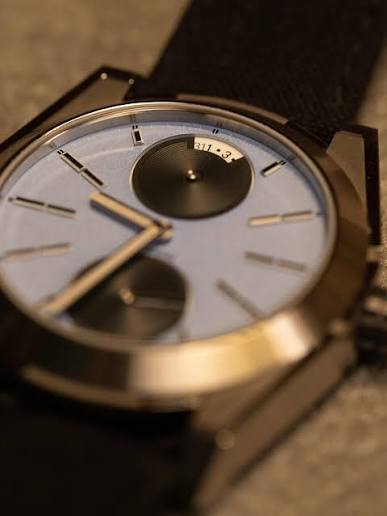
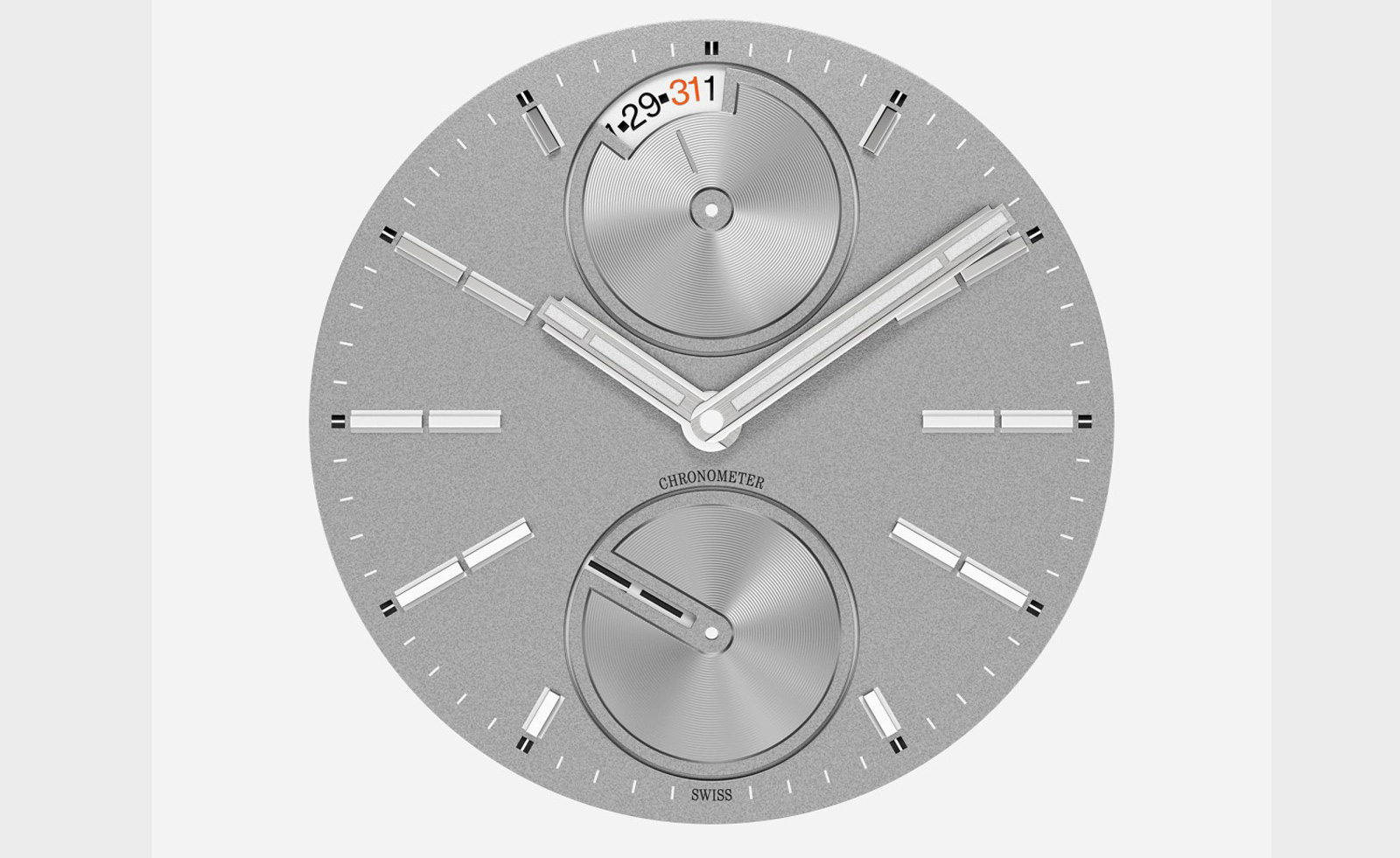
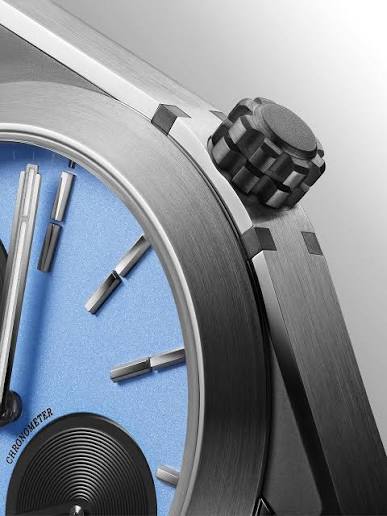
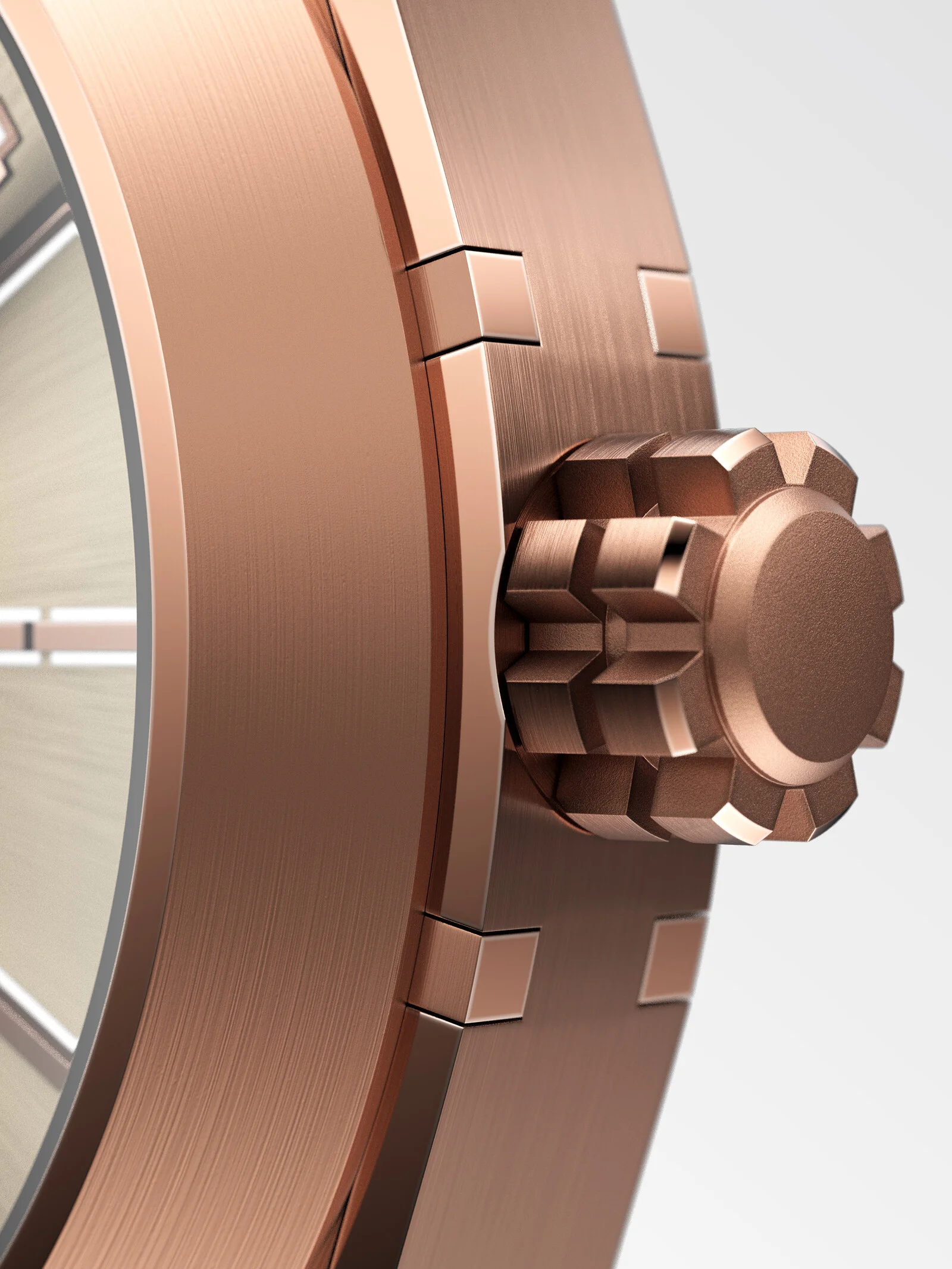
The P1 Perseverance
Having worked inside some of Switzerland's most respected manufactures, what aspects of traditional watchmaking do you think should never change, and which need to evolve?
What should never change is craftsmanship. Precision, chronometry, hand-finishing and the skills that have been passed down through generations are the very foundation of fine watchmaking. We have a responsibility to preserve that heritage.
What I believe should evolve is the way we communicate with collectors. People today want to understand what they're buying. They want to know who made the components, where the materials come from and why certain decisions were taken. I think that's a very healthy evolution.
I also believe the definition of Swiss Made deserves to be reconsidered. Personally, I find the current 60% threshold too low to reflect what most collectors expect from a Swiss watch. Raising that standard would strengthen the credibility of our entire industry.
Finally, I'd like to see watchmaking spend a little less time looking backwards and a little more time creating the references of tomorrow. We should preserve our heritage — but we should also have the confidence to write new chapters.
For collectors based in the UK, Europe or the US, what is the process of buying a Pragma watch?
We work with a small number of carefully selected retail partners, but we also spend a significant part of the year travelling. We attend watch fairs, collectors' events and private gatherings across Europe, the United States, the Middle East and Asia.
For an independent maison, those personal encounters are incredibly important. They give collectors the opportunity not only to discover the watches, but also to meet the people behind them. I believe that meeting the founders and the watchmakers adds a completely different dimension to owning a watch.
Of course, collectors can also contact us directly through our website or social media. Many of our clients first discover Pragma online before arranging to see the watches in person at an event or in our atelier.
At the end of the day, buying a mechanical watch is an emotional decision. You need to feel it on your wrist, experience its proportions, its weight and the way it catches the light. Nothing truly replaces that experience.
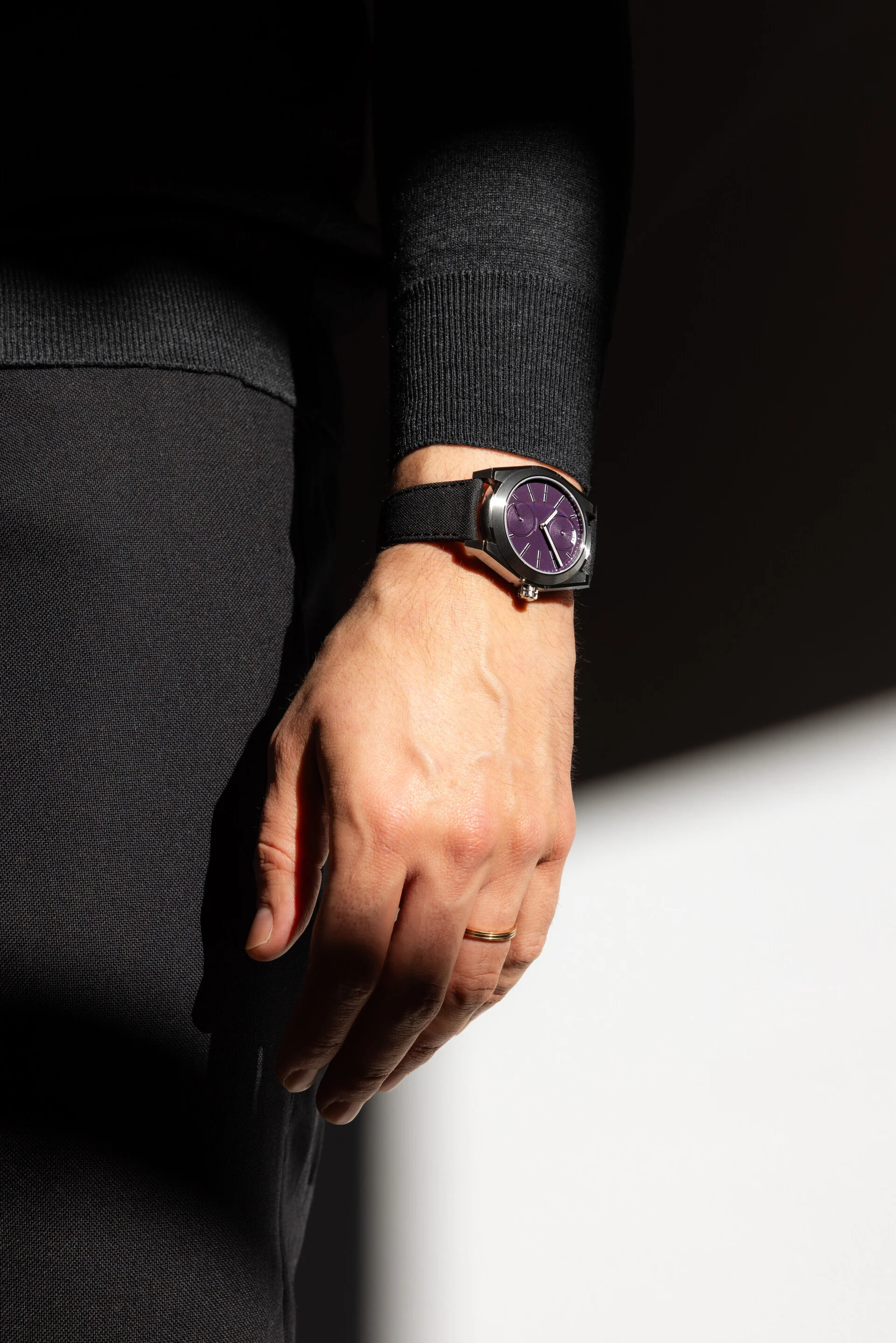
The P1 on the wrist
If money and availability were no object, what would be your top five watches of all time, and why?
That's probably the hardest question of the entire interview!
The first would undoubtedly be a George Daniels pocket watch. I've always admired the honesty of his watchmaking. The finishing is incredibly sincere — nothing is done simply to impress. Every detail serves a purpose, and I find that philosophy deeply inspiring.
Next would be an early F.P. Journe Chronomètre à Résonance with a gold movement. It's a watch that shaped me both technically and emotionally. Its apparent simplicity hides an extraordinary level of complexity.
I'd also choose a Patek Philippe Reference 1518. For me, it represents timeless elegance. Everything about its proportions and design feels perfectly balanced.
Another choice would be François-Paul Journe's Grande Sonnerie, particularly the unique blue-dial piece created for Todd Levin. It's one of those rare watches where technical brilliance and aesthetic beauty come together perfectly.
Finally, I'd pick a platinum Patek Philippe Nautilus. I love its understated elegance, its slim profile and the effortless way the integrated bracelet flows into the case. It's a design that has remained contemporary for decades.
Looking at that list, I realise it says more about what I value than about the watches themselves: honesty, simplicity, strong design and mechanical integrity.
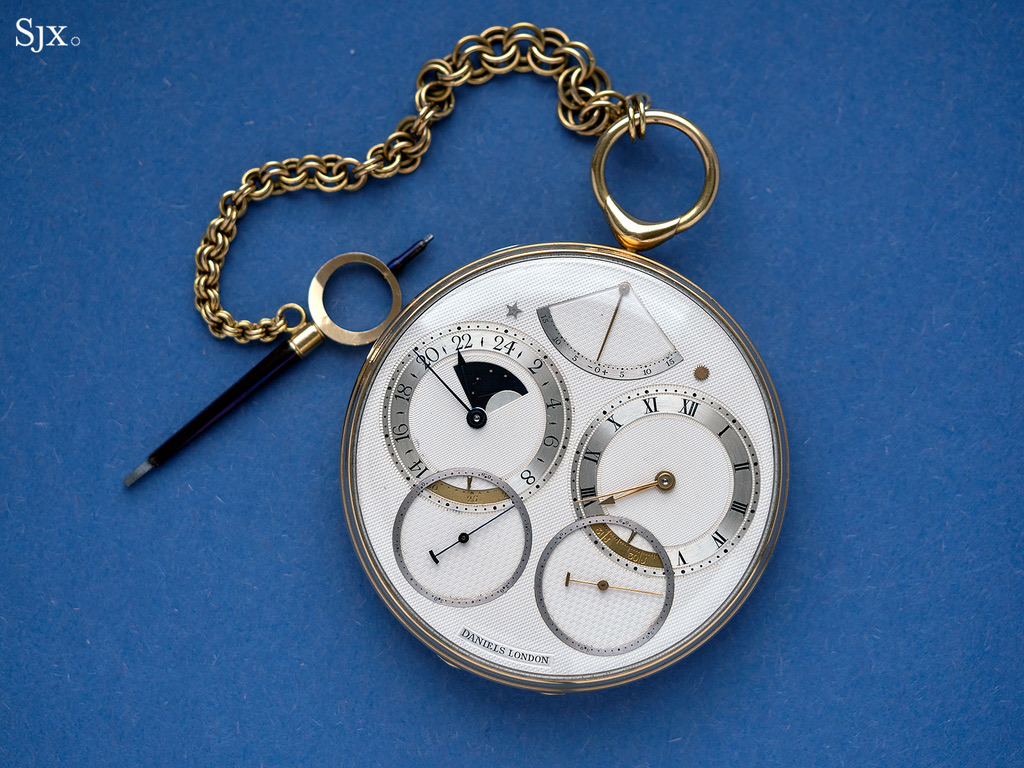
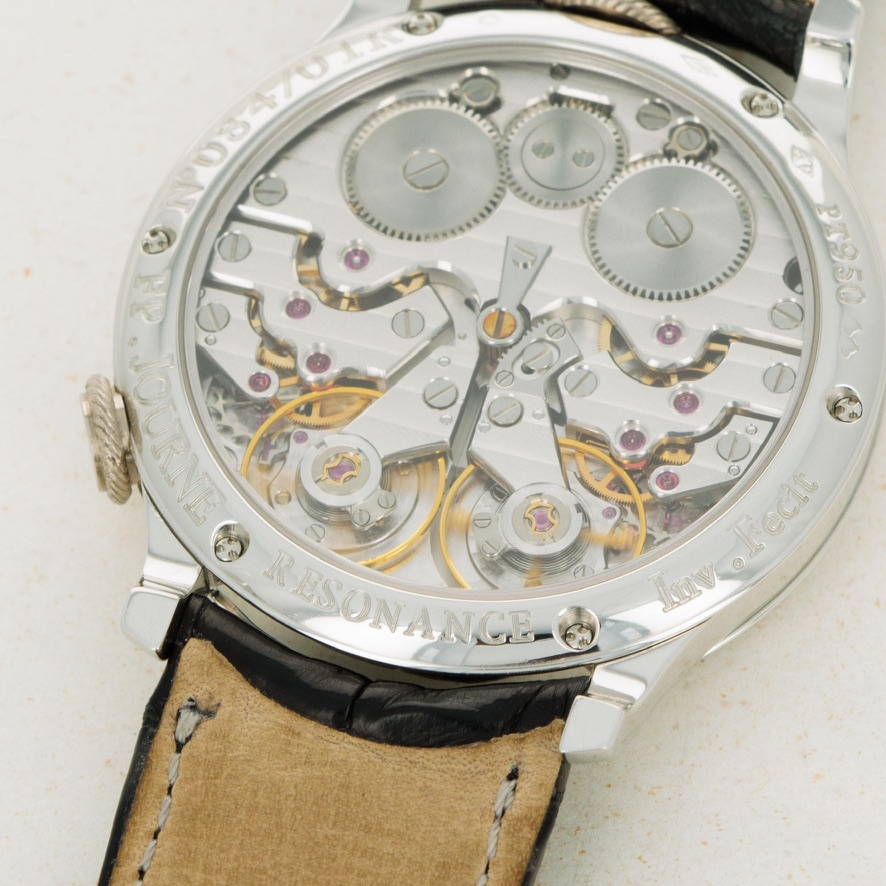
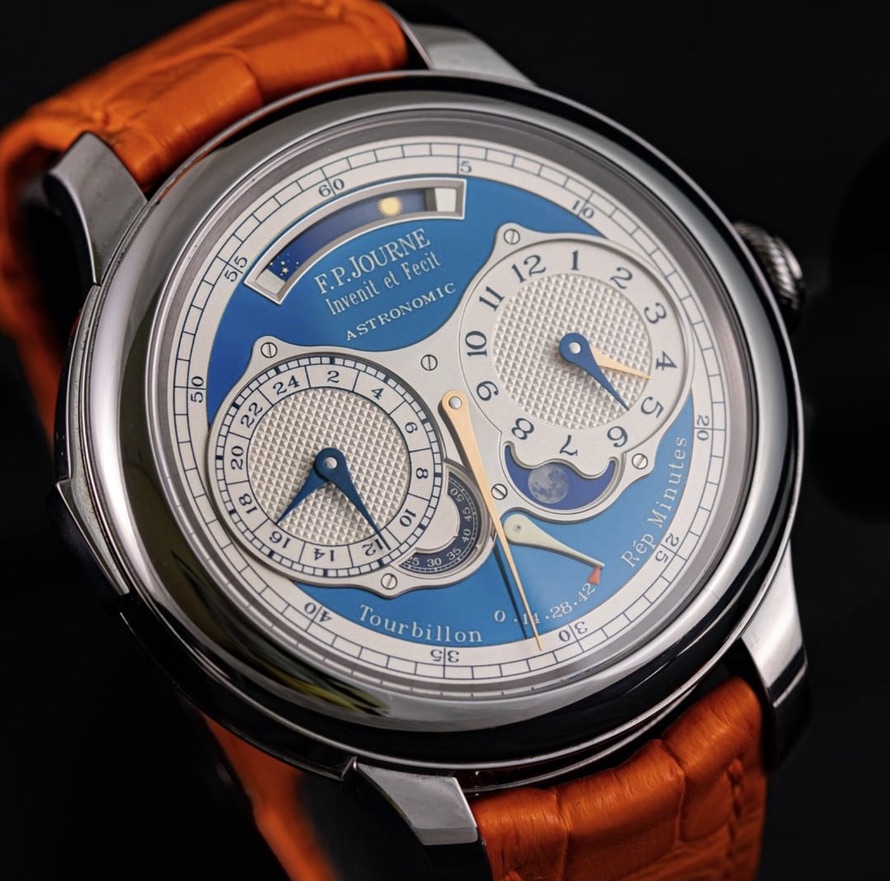
George Daniels pocket watch · F.P. Journe Chronomètre à Résonance · F.P. Journe Astronomic Souveraine
Who has been your biggest inspiration, either within the watch industry or beyond, and what have you learned from them?
I don't think I've ever had one single source of inspiration. I've been fortunate to learn from many people and from different creative disciplines.
Outside watchmaking, architecture has always inspired me. Architects like Mario Botta and Peter Zumthor have an incredible ability to create timeless objects where every detail has a purpose. That search for coherence has influenced the way we design watches at Pragma.
Within watchmaking, people like François-Paul Journe and Laurent Ferrier taught me that technical excellence and aesthetics should never be separated. A movement shouldn't only perform beautifully — it should also be beautiful to look at.
But perhaps the greatest inspiration has come from the people I've met throughout my career. Many entrepreneurs, CEOs and watchmakers have generously shared their experience, their advice and even their mistakes with me. That openness surprised me, and I'm incredibly grateful for it.
I hope that, as Pragma grows, I'll have the opportunity to do the same for the next generation. I think sharing knowledge is one of the most valuable traditions our industry has.
Looking back at your own career, is there a particular project or watch that fundamentally changed the way you think about horology?
Without hesitation, I'd say the F.P. Journe Chronomètre à Résonance.
Beyond its technical achievement, it's a watch that taught me patience and sensitivity. Regulating two oscillating systems so they resonate together is an incredibly subtle process. You're constantly searching for an almost invisible balance, where the smallest adjustment can make all the difference.
What fascinated me most was that, from the outside, the watch appears remarkably simple. Yet behind that simplicity lies an extraordinary level of complexity. That idea has stayed with me throughout my career.
At Pragma, we try to follow the same philosophy. We want to create watches that feel intuitive and effortless to wear, while hiding years of development, engineering and craftsmanship beneath that apparent simplicity.
What has been the biggest challenge in launching Pragma that people outside the industry would never expect?
Surprisingly, the biggest challenge wasn't creating the watch.
Designing and developing a timepiece takes years of work, countless iterations and an incredible amount of patience — but that's my background. I knew what that journey looked like.
The real challenge was building a company around that vision.
Convincing the first collectors, earning the trust of the press, developing relationships with retailers and finding the financial resources to keep moving forward — those were the hardest parts. When you launch an independent maison, you're asking people to believe in your vision before your history has even been written.
That requires resilience and patience. But it's also what makes the journey so rewarding.
I'm a watchmaker by training, yet today I learn something new every day about entrepreneurship, finance, communication and human relationships. In many ways, building Pragma has been just as educational as building watches.
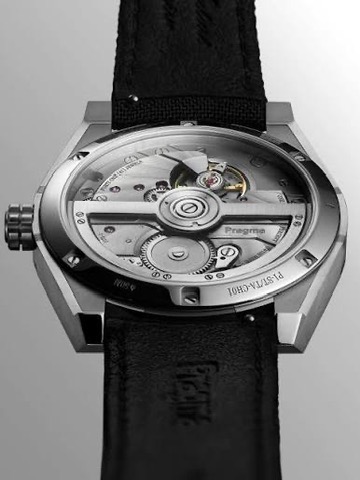
The P1 Perseverance caseback
Five or ten years from now, what would success look like for Pragma, and what legacy do you hope the brand will leave within independent watchmaking?
From a watchmaking perspective, I'd like to see Pragma continue to grow while staying true to its original vision. I hope we'll have developed new calibres, brought more expertise in-house and continued exploring complications that reflect our own approach to contemporary watchmaking.
But success isn't measured by the number of watches we produce.
I'd much rather see Pragma recognised for its ideas than for its production volume.
If people remember us for creating a distinctive design language, for championing transparency, for pushing meaningful innovation and for believing in genuine Swiss craftsmanship, then I think we'll have achieved something worthwhile.
More than anything, I'd like Pragma to contribute — even in a small way — to the future of independent watchmaking.
If, twenty years from now, someone looks at a Pragma watch and says, "They had their own way of thinking about watchmaking," I think that would be the greatest compliment we could receive.
Because in the end, watches are only part of the story. What really matters are the people you meet, the conversations you have and the community you build around a shared passion.
Mulholland Watch Club · Interviews