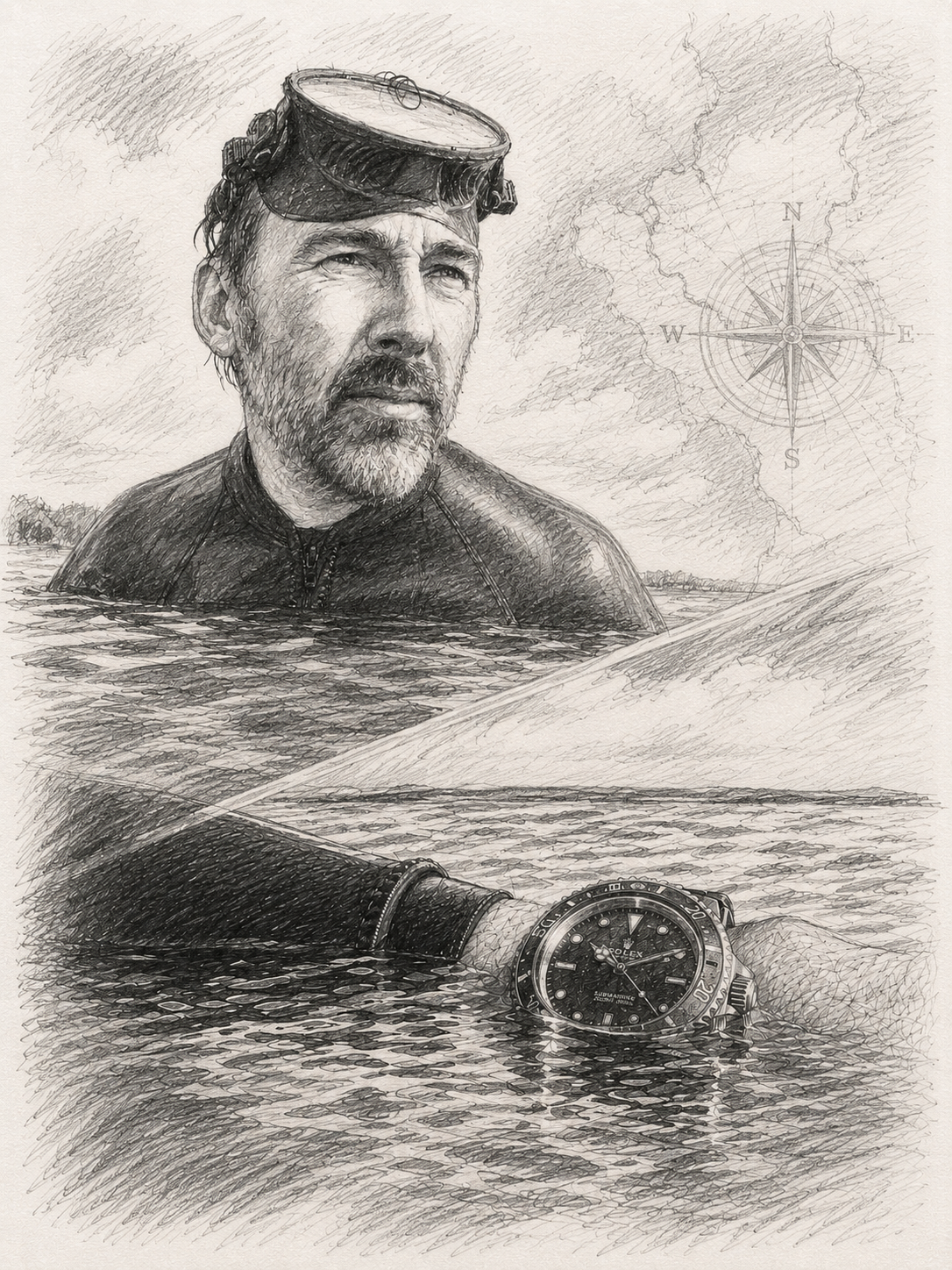
Henry James Chamberlain
Founder, The Coastal Exploration Company
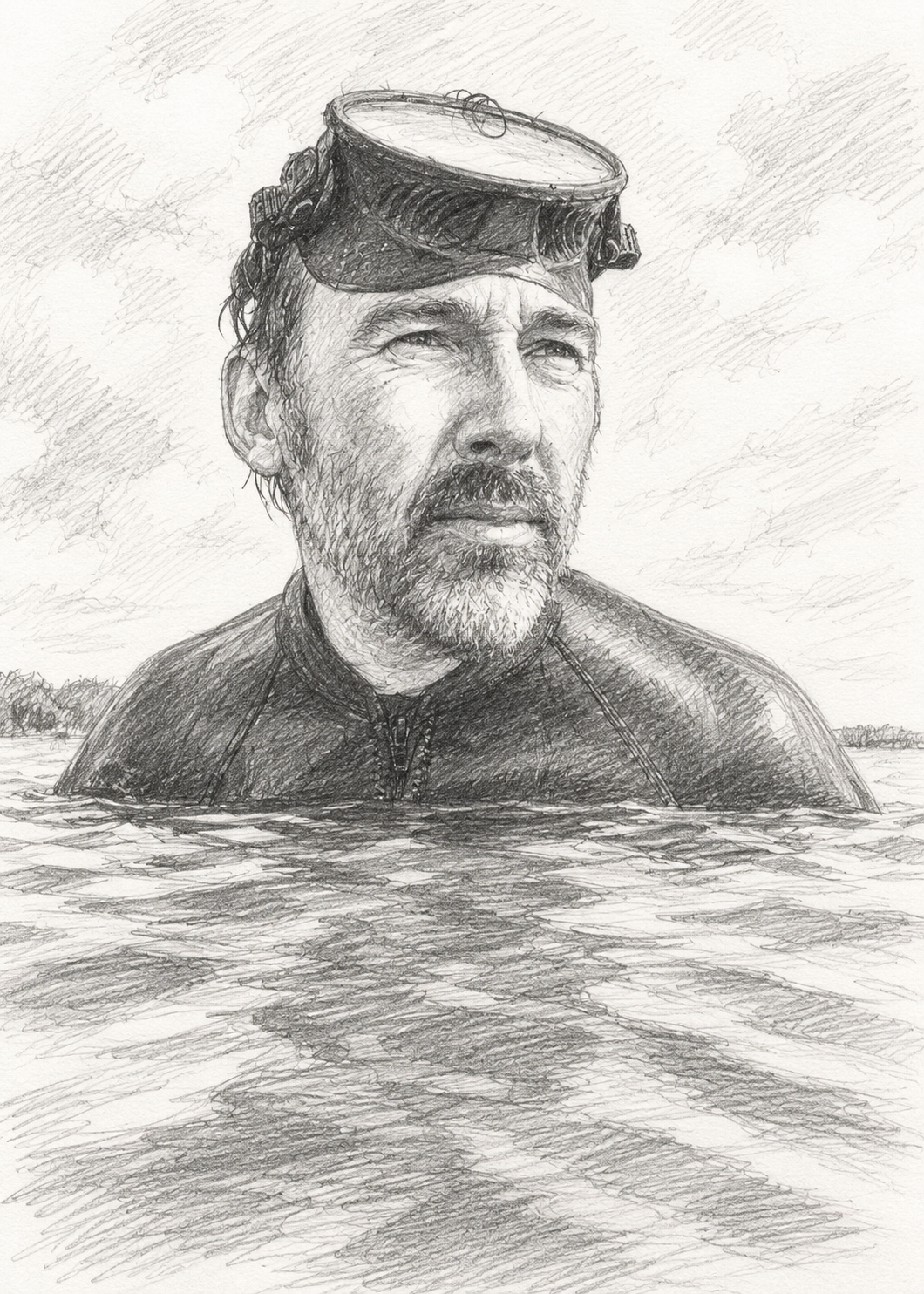
Henry Chamberlain is the founder of the Coastal Exploration Company, based in Wells-next-the-Sea on the North Norfolk coast. After serving as a Royal Marines officer and working as a humanitarian in some of the world's most demanding conflict zones — from Somalia and Sudan to Afghanistan — he returned home to Norfolk to build a life around adventure, heritage and the sea. Today he sails and restores historic wooden working boats, among them the century-old Norfolk smack Victorious, offering expeditions that reconnect people with nature, slow travel and the maritime history of the coast. We spoke with Henry about the experiences that shaped him, the boats he preserves, and the 1960s Rolex Submariner that has been on his wrist through all of it.
Your career has taken you from the Royal Marines and humanitarian work in conflict zones to sailing historic boats on the North Norfolk coast. Looking back, what experiences have shaped you most as a person?
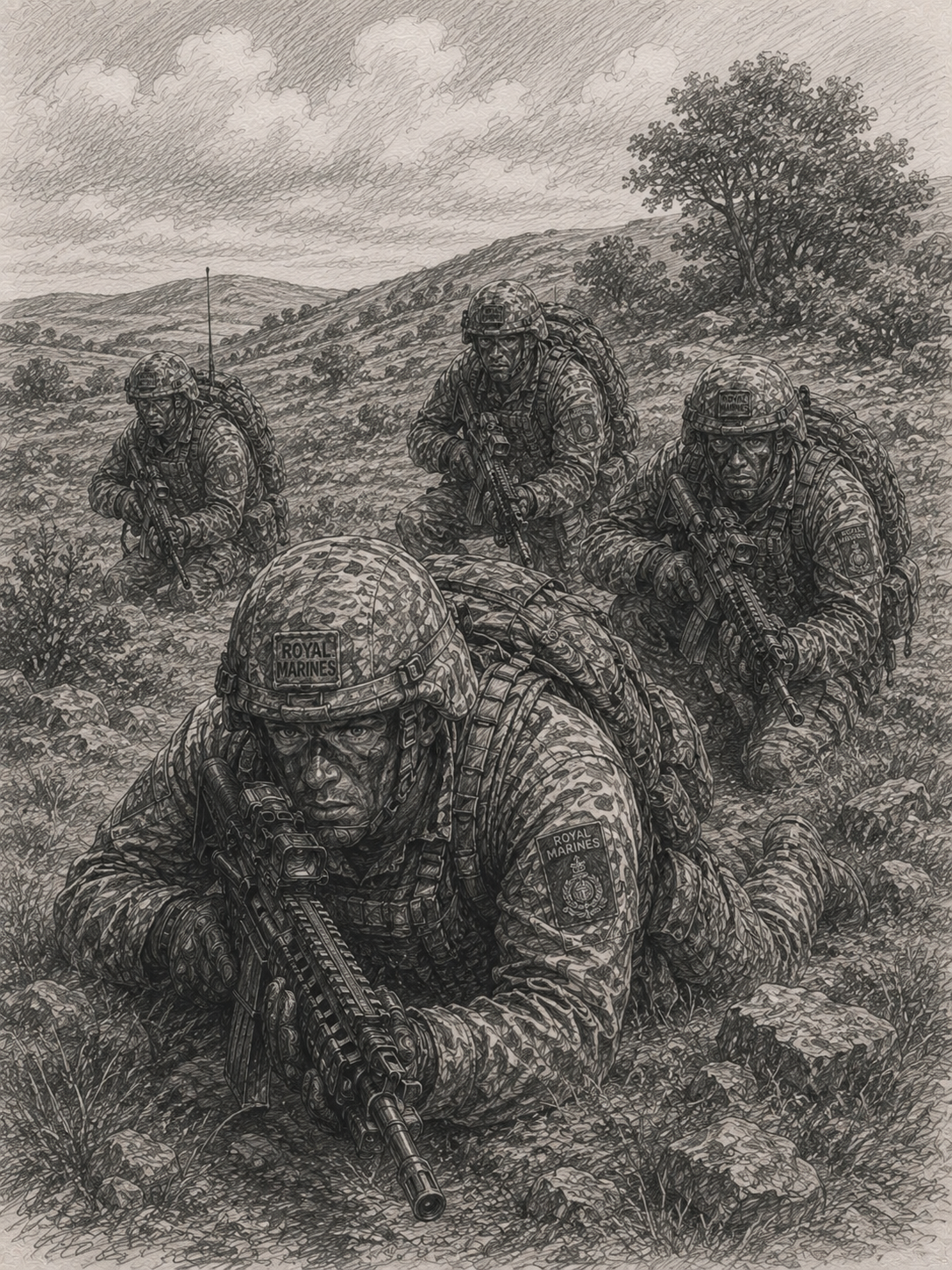
I'll slowly work through your questions. I think the biggest experience really was joining the Marines in the first place, because I honestly thought, I don't think I can do it, but I'm going to give it my best. It's such a professional, long training course — I think it's the longest infantry training in the world. It lasted about 15 months, something like that, and then the second phase is going to a commando unit.
If you get through all of that, it just gave me personally so much confidence in myself that I felt I could take on almost anything after that. So that was the life-changing bit — from a soft student to coming out as a confident Marine.
Who have been the biggest influences in your life, whether mentors, family members, or historical figures, and what have you learned from them?
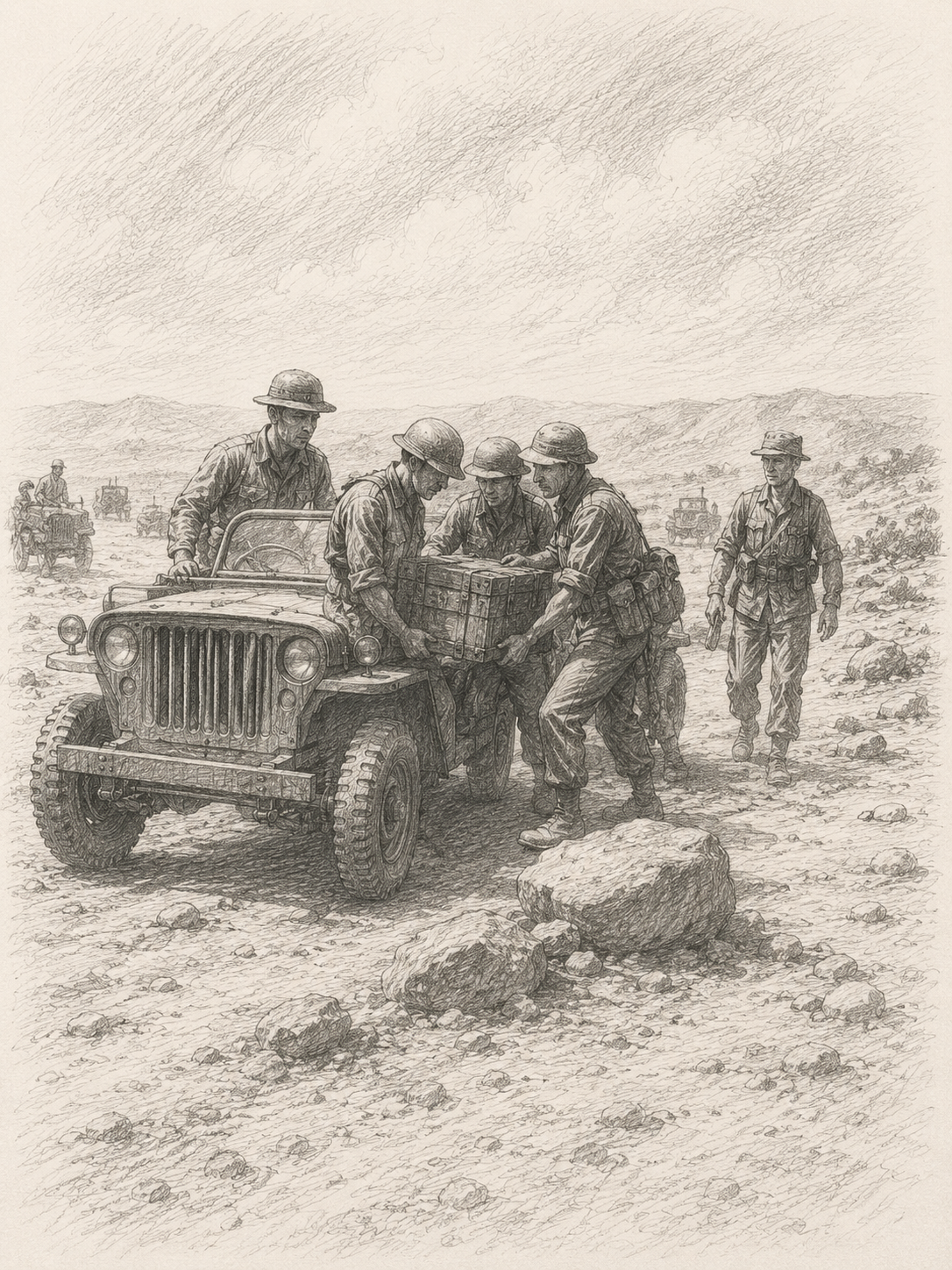
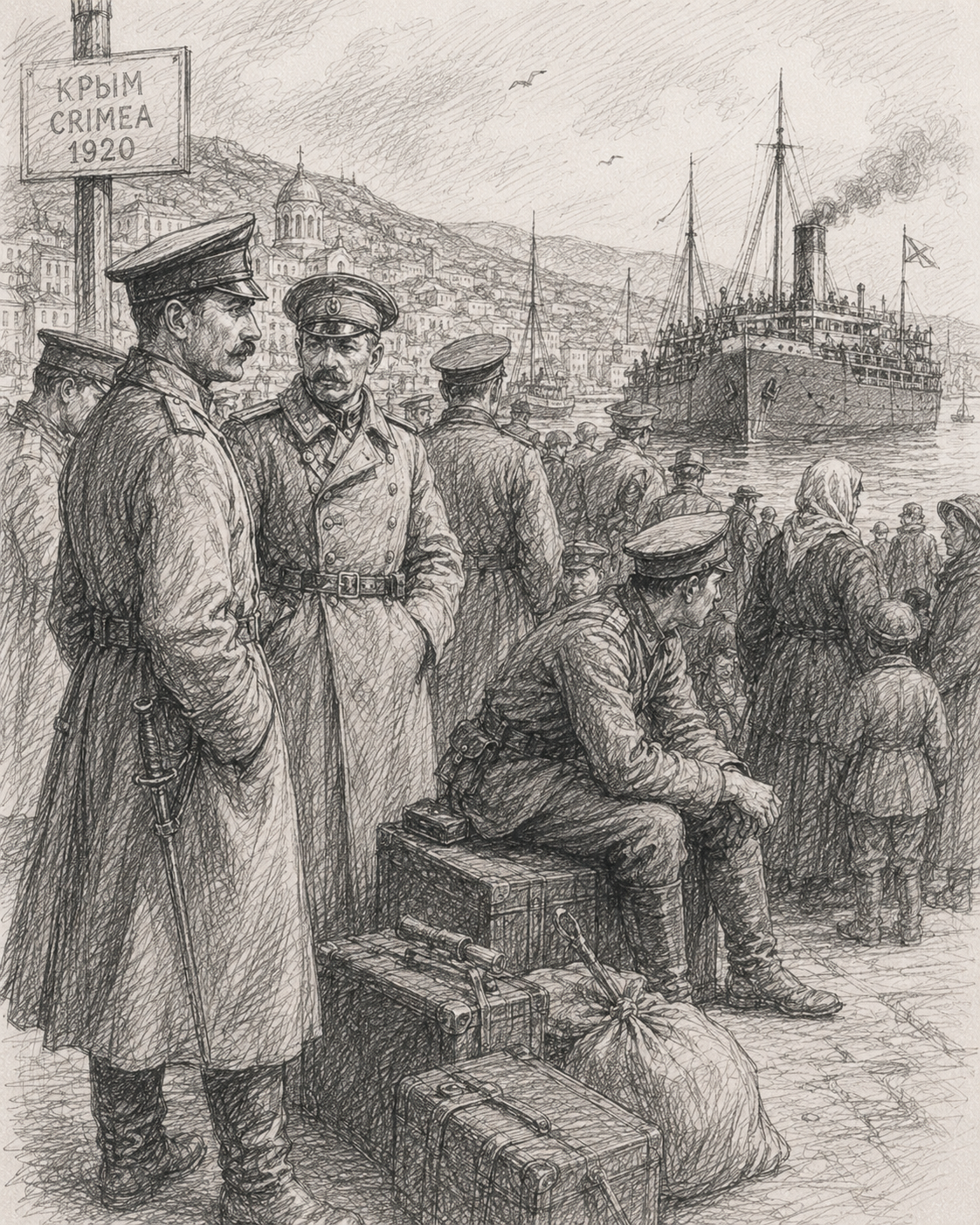
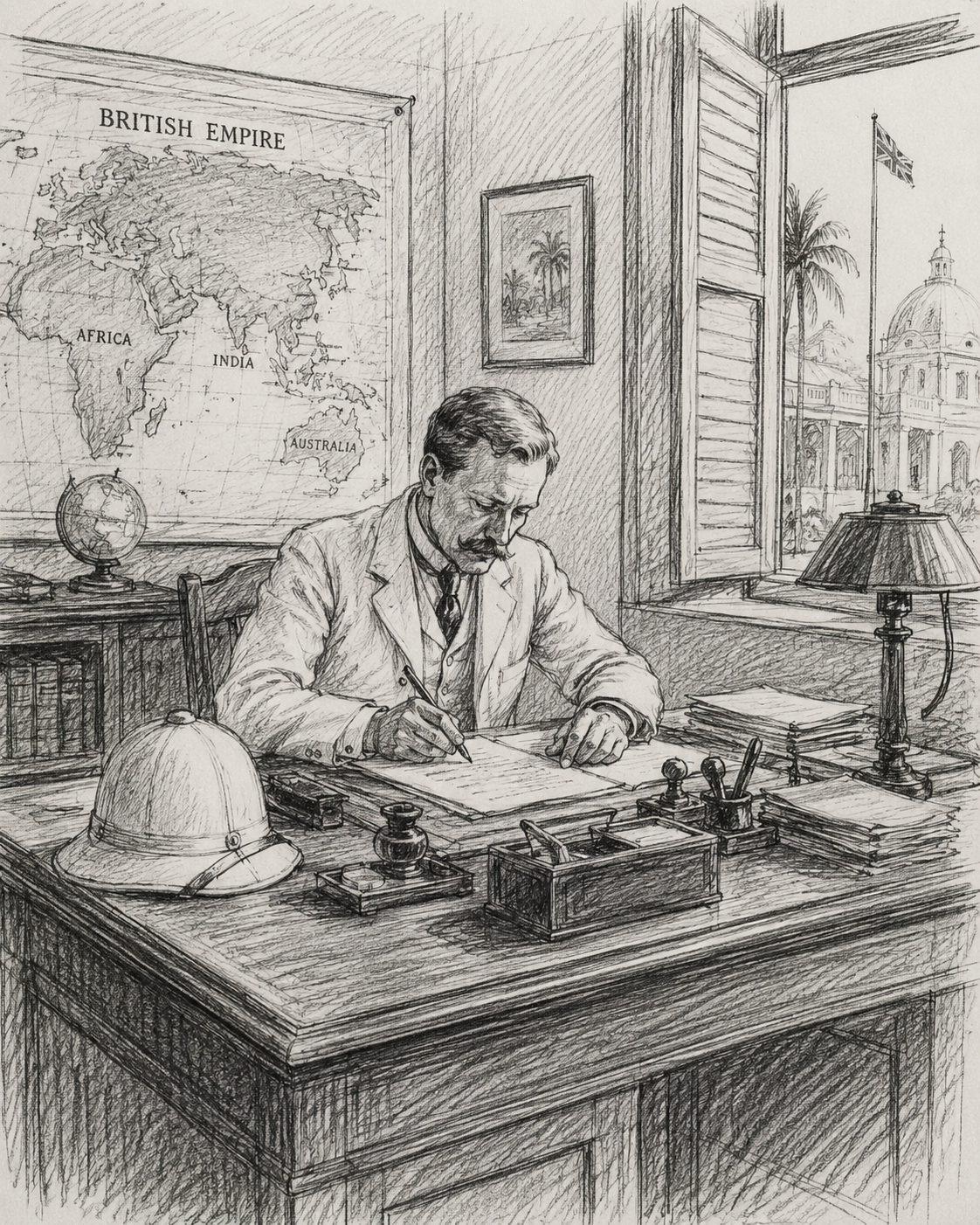
I think the biggest influence was probably my grandfathers. One was Royal Navy — in the Navy for two world wars, constantly telling me stories about convoy duty across the Atlantic. His father was in the Navy too, on anti-slave patrols, tracking down dhows in the Indian Ocean, land operations in North Africa, helping the White Russians in the Crimea — just constant, amazing, adventurous stories of having been all over the place. He was a petty officer in the Navy. Inspiring.
Then my other grandfather, who was in the Colonial Office — he was focused on wildlife. The thing I took away from him was that even at 77 he was still working, writing a book on African parrots. He lived in Cambridge, walked to the office, had a heart attack one day and was dead two days later. But right up to his last day, he just loved what he was doing, fully engaged in it. I just thought, that's the way to be when you're older — doing something you love, not just trying to amuse yourself.
What was your vision when you established the Coastal Exploration Company, and how has that vision evolved over the years?
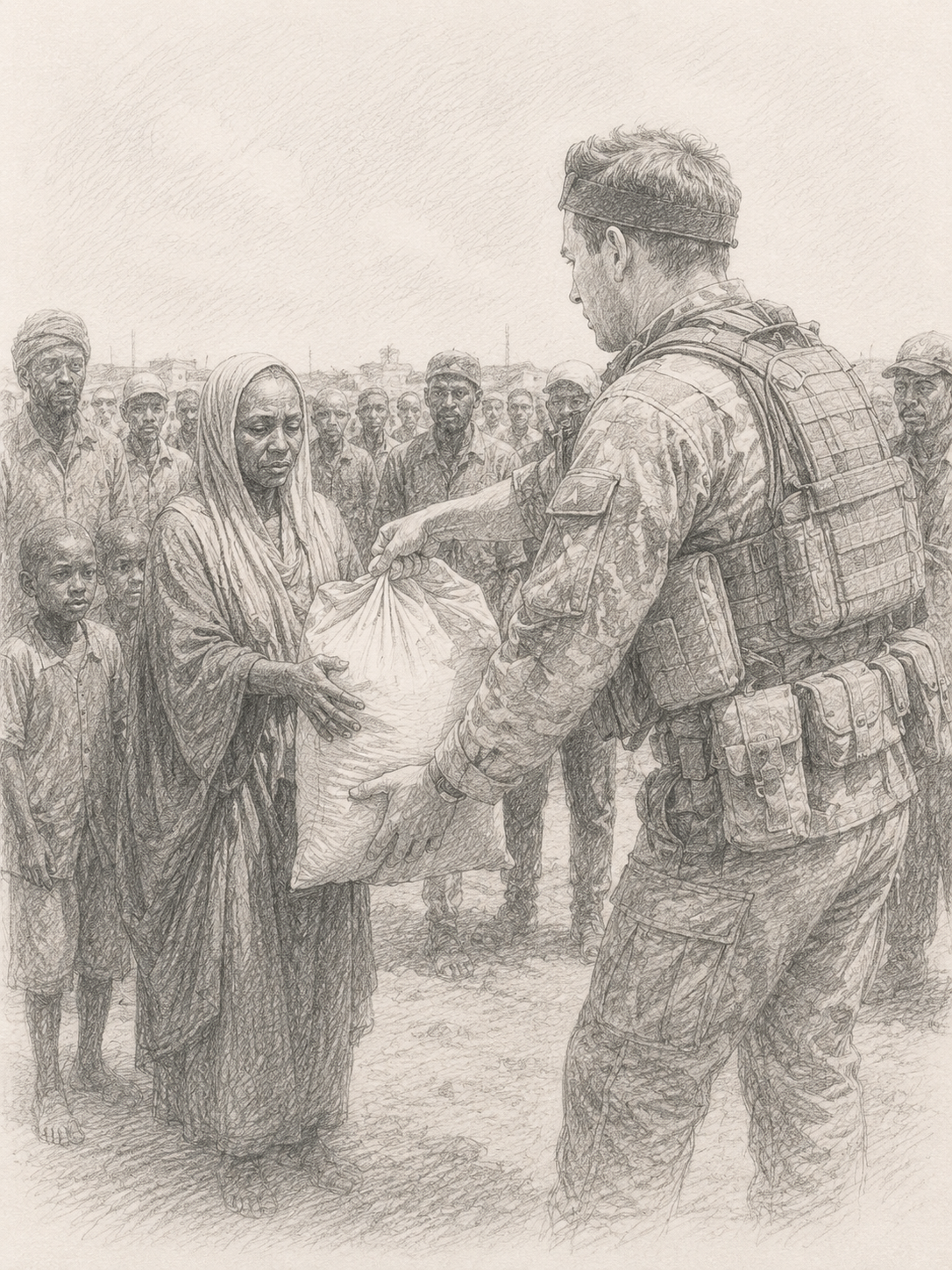
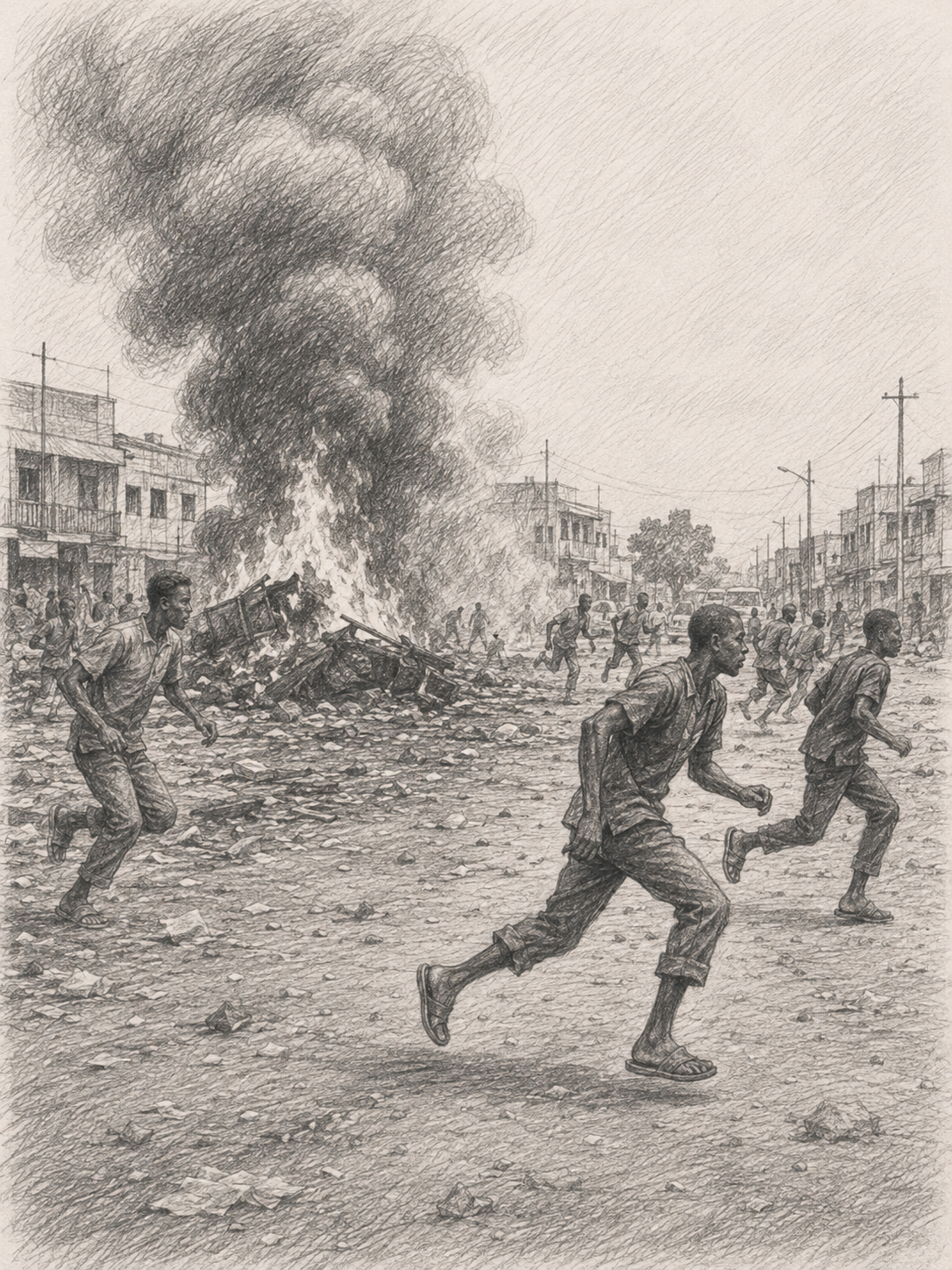
It was the end of a long week in Mogadishu. I don't know if you've seen Black Hawk Down, but it was the old part of Mogadishu. We were trying to distribute dry rations to a lot of Somalis that had flocked to the capital. People were so desperate and there were so many gangs about that within the first 30 minutes we had 10 people dead and all the food looted by the Somali gangs that came in on their technicals.
Then we had a suicide attack on our office — a guy we knew who worked in a fish restaurant next door. The first thing we knew was when his head came off and landed in front of us. I just thought, f***ing hell, that's Abdul. Then I got back, going to meetings, and we got mortared. Luckily I wasn't hit.
I just remember sitting on a beach at the end of that week and thinking, I enjoy my work, but if I keep doing this I'm not going to survive, or I'll probably go mad. So I sat down on the beach and sketched out what I thought an ideal life would be. I thought: back in Norfolk with my family, doing something adventurous, and probably something to do with the sea. And I came up with the Coastal Exploration Company.
Why is it important to preserve and operate historic working boats like Victorious rather than modern vessels?
With the old vessels, there's a connection with all those fishermen — all that knowledge. They were always adjusting the rig, the shape of the boat, to get it as efficient as possible for local waters. So it was never architects designing the boats; it was fishermen going out long hours in different sea conditions. I think it's like a body of knowledge stored, which is important, especially as they're made to work under sail.
Victorious, for example, was made to work under sail — her engine was an afterthought. So you've got the most efficient hull shape for a working boat under sail. All the modern boats were made for engines, where you don't have to worry so much about efficiency in the water.
But with an unstable world — as we've seen with Iran and Trump — it doesn't take much before the fuel gets cut off. You can't get it, and then what are we going to do? So I just see it as a really important bit of resilience in our coastal community to maintain these boats, in particular Victorious, because she is efficient through the water, and if you know what you're doing, you can work her really well.
What makes the North Norfolk coastline such a unique place to explore from the water?
The Norfolk coastline is one of the most beautiful coasts we have in the UK, and we have many. I always thought that people would come to the coastal footpaths, the car parks, and there'd be nothing to take them further. Okay, you could go and see the seals; if you had a boat you could go out with a friend, but there wasn't anybody really taking you out there. It's just this wilderness of the Norfolk coast.
The reason it's so special is because it's so tidal, and because it's so flat, so you get this massive movement of water in and out which creates the salt marsh and this really dynamic tidal zone. I never cease to be amazed when I'm in it — as you know, you've been out there. The tide comes in so quickly, goes out so fast.
It's just this really deep connection with nature, because you know it's the sun and the moon causing the tides, causing that water to come in and out. And then because of that, all the birds move and the waders flock to the mud. You think, this is all driven by heavenly bodies, by the planets. I don't know where else you get that really dynamic feeling.
You wear a 1960s Rolex Submariner as an everyday watch. What is your relationship with that watch, and what does it mean to you beyond simply telling the time?
First of all, I love the design, I love the simplicity of the Rolex. And then there's this link to the Marines as well — it was issued, in the early days, to members of the Special Boat Service. So it's got a real link with the sea, a real link with the Marines.
And I like having nice things that you use. I don't like the idea of having it and putting it in a box and wearing it once a year. I just love that it's a working implement, a working tool. Okay, it was made in the '60s, the Perspex cover isn't ideal because I keep scratching it, but it was made for that environment and it's still very good at doing that job. I've had it serviced, I think, twice in 20 years, keeps the time nicely. So it's just something nice, stylish, functional.
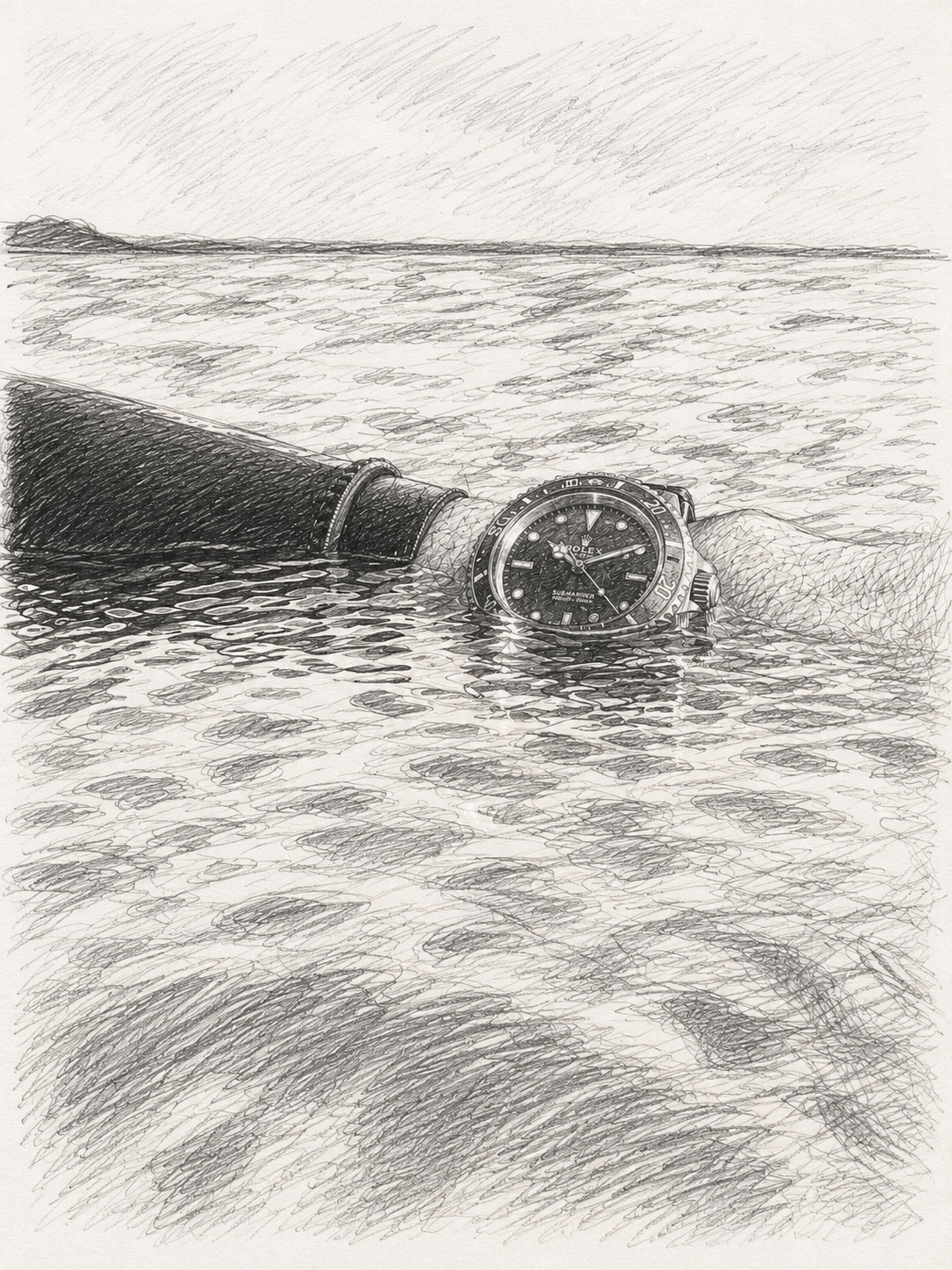
Vintage watches often acquire stories alongside their owners. How does it feel wearing a piece of history every day, and do you ever think about the life your Submariner had before it came to you?
It's almost part of my history now. I remember doing my parachute course in it, I remember doing a boating course in it in the Marines, I remember going on operations wearing it, I've been all over the world in it on humanitarian operations.
Also it's like carrying a gold sovereign — if you're working in the middle of nowhere, if you've got a reasonably valuable watch and you get robbed or lose everything, that could be your ticket home, or anything else you need. It's the same as the old seamen that used to have a gold earring — the idea being that would pay for your burial, or help you in an emergency. So it's got immense practical value as well.
Every day I look at it and it reminds me of everything I've managed to do in it. And I hope I pass it on to my son, and he has his own adventures in it.
Have you owned or worn other watches that have marked important chapters in your life, and if so, which ones have been the most significant?
I've got a nice Seiko — I couldn't even tell you what model, but it's black and silver. I bought it in Diego Garcia, British Indian Ocean Territories, from the American PX in about '95 or '96.
I've lent it to my daughter in Spain, so I don't even know if I've got a picture of it, but I also love that watch as well, and I do swap them about a little bit.
During your time in the Royal Marines and later working in conflict zones, were there any particularly memorable — or dangerous — moments that changed the way you see life?
In the conflict zones, is there something that makes me see life differently? Yeah, a couple of things. In the early days I was in the Nuba Mountains in Sudan, doing camel patrols, and then I did a longer camel trek from Khartoum close to the border with Egypt, moving from well to well. For two weeks I had no clean water — brackish water. After that trip, every time somebody puts a clean glass of water in front of me, I think: today I am very lucky.
Not only do I appreciate it, having drunk brackish water for a long time, but I've also seen kids and families in Somalia and Sudan that don't have access to it. I like nice wines and champagne and I think we're very, very privileged to have them, but just to have a clean glass of water is one thing.
Also when I was in Somalia, I remember talking to a woman who had walked across Somalia with five kids. Two died on route, or were about to die; she couldn't carry them, she had to leave them on the side of the road to die. She had two kids left when we were helping her with food, just a little canvas cover and a wall. Hearing that story is so emotional — you're almost in tears.
But there's such a fight in her that it gave me such belief in human resilience, what we can put up with and how strong we are. I took something as tough as it was, and I still think of that young girl. She was incredibly beautiful, must have been about 18. You just think: any 18-year-old in Norwich, I don't think could handle that. But not only did she handle it, she kept going, she looked after two other kids, and she had this real fight in her eyes. That's something I take away.
Your company has experimented with low-carbon transport by sail. How do you see traditional sailing contributing to a more sustainable future?
We've done lots of runs — we've sailed up to Scotland to pick up some whisky. I know there's a bit of an eccentric edge to it, but having worked in the world and been in places and seen countries that have just disintegrated — in fact as I talk to you, I'm in Afghanistan — you see services break down. I can just see the importance of other ways of doing things.
We're so reliant on global supply chains, massive tankers moving backwards and forwards. I don't think that's always going to be possible, and I think we do need more resilience locally. Even if it perhaps doesn't pay so much, there are people that love doing that anyway. I couldn't think of anything better than sailing up to Scotland to pick up some whisky.
So not only is it important for a sustainable future, I think it's also important to keep these things going because it gives people the opportunity to live an adventurous life in nature, which we're moving away from with AI and phones. So it's more important.
What do you hope visitors take away from an expedition beyond simply enjoying a day on the water?
I hope they take away some peace, having had a really nice, relaxing time in nature, away from busy lives, and creating some memories together with their loved ones. I hope they take that away.
I hope they take away how amazing the Norfolk coast is, how valuable nature is, how we need to look after it. Hopefully they learn what amazing food we have in Norfolk, and hopefully they learn about the amazing traditional maritime history in Norfolk.
I find it incredible that when I started, there weren't any boats like Victorious. The smaller mussel flats — there were only three left rotting on the salt marsh. You could just see that our wooden boat heritage was about to disappear. Other people at Rescue Wooden Boats have done amazing stuff as well, but hopefully we've helped as well.
When people look back on your work — whether through the Coastal Exploration Company, your conservation efforts, or your broader career — what legacy do you hope you've left behind?
That sounds very grand when you say legacy. I think for me it's an example — like you've done with what you're doing now, with the watches — of having the confidence to follow what lies within you and do that in your life, whatever you feel is important, whatever resonates with you.
That's what I've done with my life, and I think that's what I'd like people to take away: the confidence just to go out and do what you enjoy doing, and trust that it will work out. Normally it does, and if it doesn't, well, you stop and go and do something else.
So for people not to think they have to set careers or that they're stuck in ruts — hopefully some inspiration that anything's possible, and not just applying for any job or any business, but something different that nobody's done before, a different direction, viewing life differently. That's what I'd like to leave.
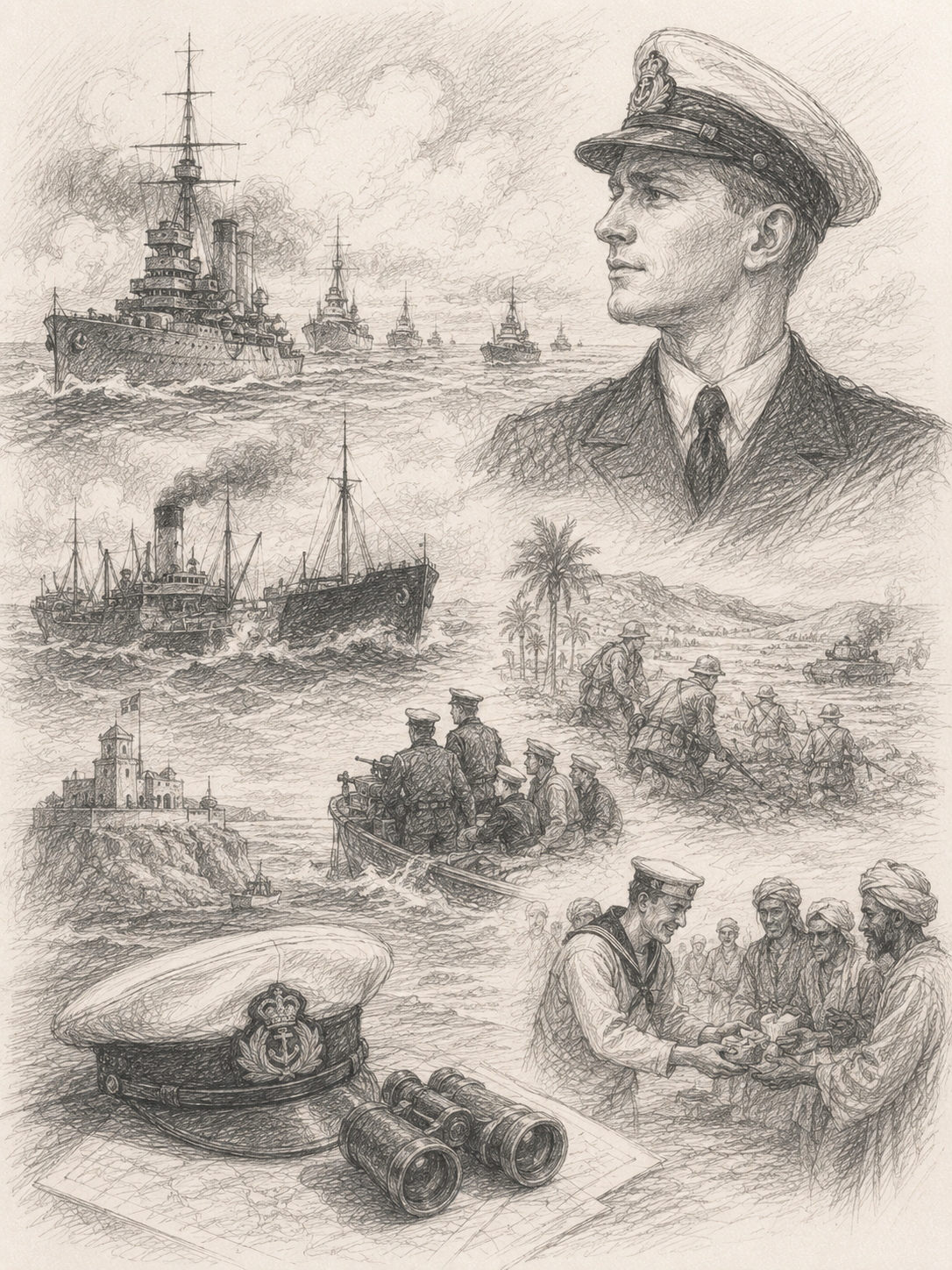
You've accomplished so much across your military service, humanitarian work, and maritime career. Have you ever considered writing a book? It feels like you have a lifetime of stories and experiences that deserve to be shared.
Yes, I've written a book — about my humanitarian and military bit. It's with a publisher, being self-published, so not with a big publishing house. The manuscript's been tidied up and accepted, we've got the cover, and in fact I'm just getting some quotes and endorsements at the moment. Levison Wood has written something, and hopefully Chris Haslam from the Sunday Times said he'd write something for me.
So hopefully the book will be coming out soon. It's an example, Rafa, of a creative, adventurous work community — people living in Norfolk — and we've got an amazing legacy, haven't we, with Nelson and other such people. I'll send you details — it's called The Rebel Who Came to Tea, and it'd be nice to mention it.
Mulholland Watch Club · Interviews